Chunky Dr. Martens Black Leather Sandals for Cold Days
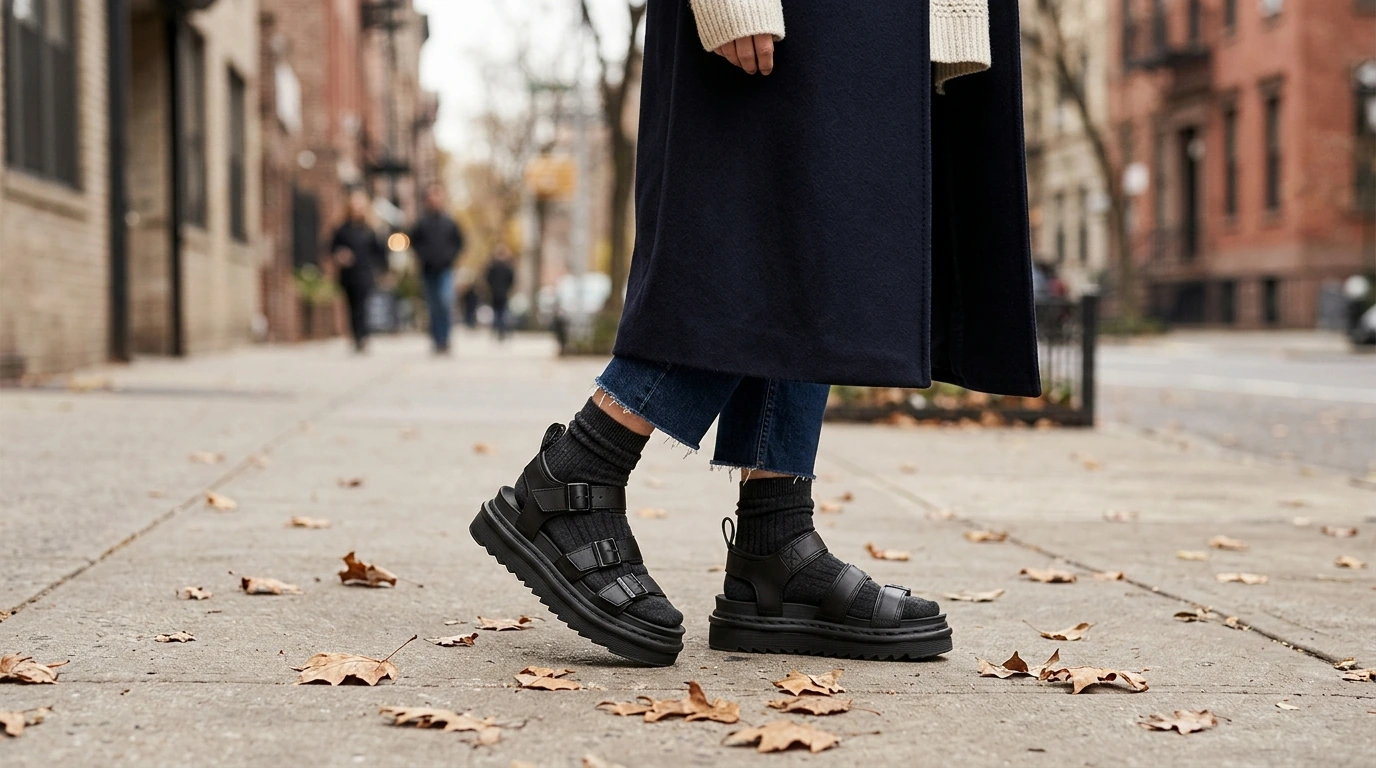
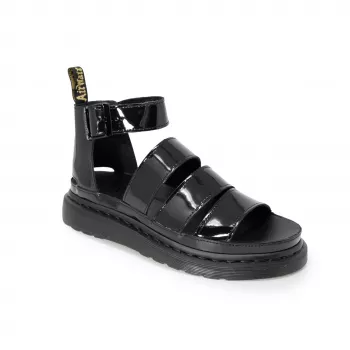
Dr. Martens Women’s Black Leather Sandals for Fall and Winter
Black leather sandals with an iconic, chunky edge can transition well into cooler months when paired thoughtfully. A substantial all-black silhouette holds its own against denim, wool trousers, and long coats—while the open, strappy upper still feels fresh when temperatures hover in that early-fall-to-mild-winter range. Below are the main details to look for in Dr. Martens-style leather sandals, plus fit tips for wearing them with socks, outfit formulas, cold-weather practicality, and simple care that keeps leather looking sharp.
What Makes These Leather Sandals Work in Cooler Seasons
The secret to making sandals feel seasonally “right” is proportion and weight. An all-black leather upper paired with a thicker sole visually balances heavier layers like knitwear, denim, and outerwear without looking out of place. Straps also give you flexibility: you can style them with ribbed socks or opaque tights for warmth while still keeping a sandal silhouette.
A chunkier sole typically insulates better than thin, flat summer sandals, lifting your foot off cold pavement and helping the shoe look intentional with fall/winter textures. That said, these are best saved for dry-to-mild conditions. Wet sidewalks, slush, or icy routes call for more coverage and traction.
Materials and Build Details to Check Before Buying
Upper leather
Look for smooth, durable leather that can be conditioned. Cold air and indoor heating can dry leather faster, so a finish that responds well to conditioning helps reduce stiffness and surface cracking over time. For brand-specific care direction, the Dr. Martens shoe care guides are a helpful reference point.
Footbed feel
A supportive footbed matters more once socks enter the mix. Thicker socks can change pressure points and make straps feel tighter, so a stable platform and comfortable footbed help keep the shoe wearable for longer days.
Strap placement and adjustability
Buckles or adjustable straps let you fine-tune fit as you switch between bare feet in early fall and socks/tights later in the season. Hardware can also feel cold against skin—socks prevent irritation and make the overall feel warmer.
Outsole and tread
Deeper tread generally improves grip on damp sidewalks and leaf-covered paths. If the tread looks shallow or smoother, reserve the sandals for drier days and flatter routes.
Comfort and Fit: Getting the Right Size with Socks in Mind
Plan how you’ll wear them most. If early fall means bare feet but late fall means socks or tights, the best approach is to fit them with your most common cold-weather sock thickness in mind—then use strap adjustability to dial things in for warmer days.
- Check strap adjustability: snug enough to prevent sliding, not so tight that it compresses with thicker socks.
- If you’re between sizes, prioritize heel stability and forefoot room; adjustable straps help you fine-tune the upper.
- Expect a break-in period: leather softens over time. Short indoor wears help you spot rubbing points before committing to an all-day outing.
- For long walking days, pair with cushioned socks and consider a thin insole if the footbed allows it without crowding your toes.
For general fit guidance and foot-health considerations, the American Podiatric Medical Association is a solid authority on footwear tips.
Outfit Ideas for Fall and Winter
Minimal + structured
Pair black leather sandals with ribbed socks, straight-leg jeans, and a trench coat. This combination looks clean, balanced, and works especially well when you keep the sock color close to black or charcoal.
Grunge-inspired layering
Try opaque tights with a midi skirt, an oversized knit, and chunky sandals to echo the classic Dr. Martens attitude. Add a leather jacket or long wool coat for a colder-weather finish.
Office-casual (best for indoor-heavy days)
Tailored trousers, thin merino socks, a button-up shirt, and a wool blazer can read polished—especially when most of your day is indoors and you’re avoiding weather exposure on the commute.
Weekend layers
Wear leggings, a longline puffer, and thick socks. Choose socks that rise above the top strap for a clean line and a more intentional layered look.
Color pairing
Black sandals anchor camel, grey, burgundy, and olive staples that show up constantly in cold-season wardrobes, making them easy to rewear across outfits.
Cold-Weather Practicality: When Sandals Are a Good Call (and When They Aren’t)
Leather Care and Storage During Fall/Winter
If responsible sourcing matters in your shopping decisions, the Leather Working Group provides background on leather supply-chain standards and auditing.
Quick Comparison: Sandals vs. Boots vs. Sneakers from the Same Shop
In-Stock Footwear Options at a Glance
| Item | Best For | Season Fit | Price (USD) |
|---|---|---|---|
| Dr. Martens Women’s Black Leather Sandals – Stylish Fall/Winter Footwear | Layered looks, indoor-heavy days | Early fall to mild winter days | $75.01 |
| Dr. Martens Women’s Black Lace-Up Boots | Cold, wet weather; traction and coverage | Late fall through winter | $211.51 |
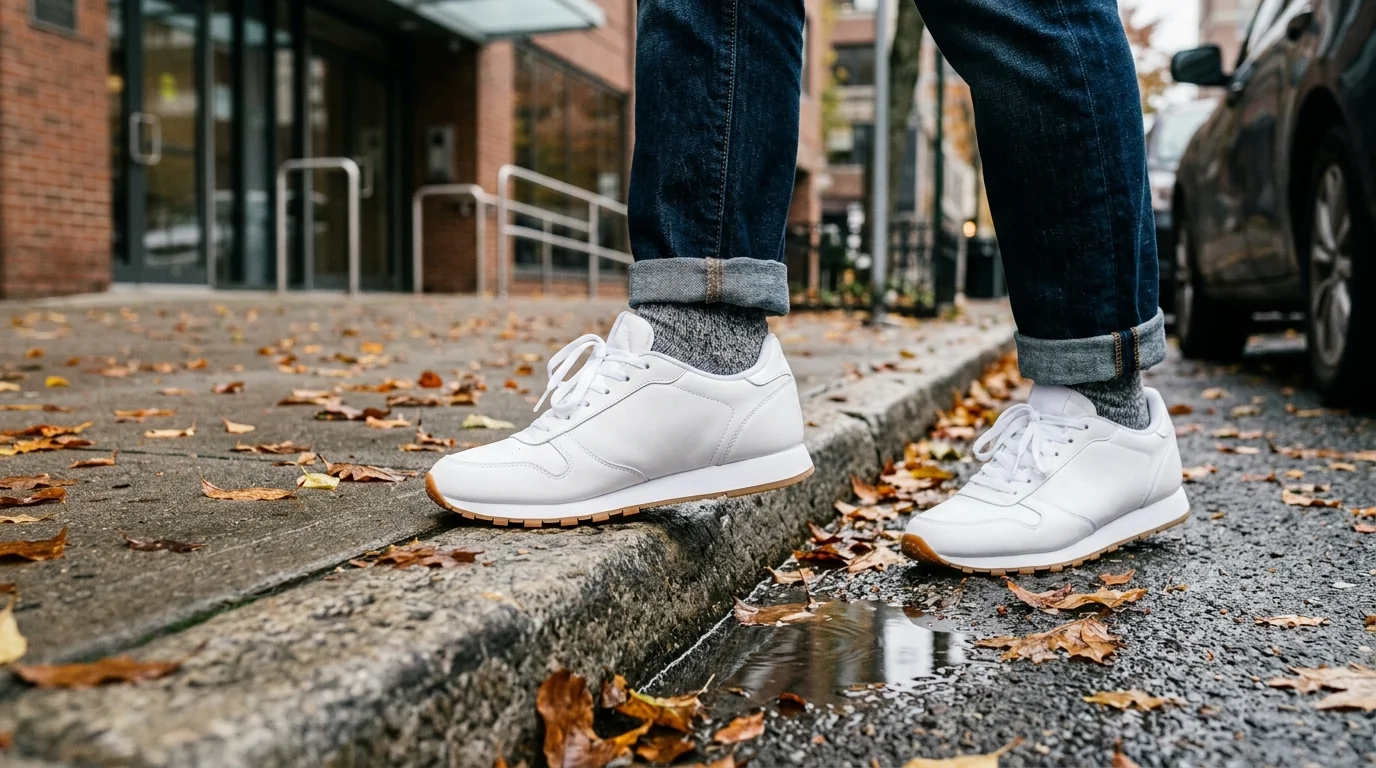
| Ash Women’s White Sporty Slip-On Sneakers | All-day casual comfort | Fall, mild winter days | $164.01 |
| Diadora Men’s Grey Sneakers | Everyday casual wear | Fall, mild winter days | $42.01 |
Who These Sandals Suit Best
Buying Checklist Before Checkout
FAQ
Can leather sandals be worn in winter?
Yes on mild, mostly dry days and when you’ll spend plenty of time indoors. Pair them with wool or merino socks/tights for warmth, and avoid slush, ice, and heavy rain.
How should leather sandals be cared for in cold weather?
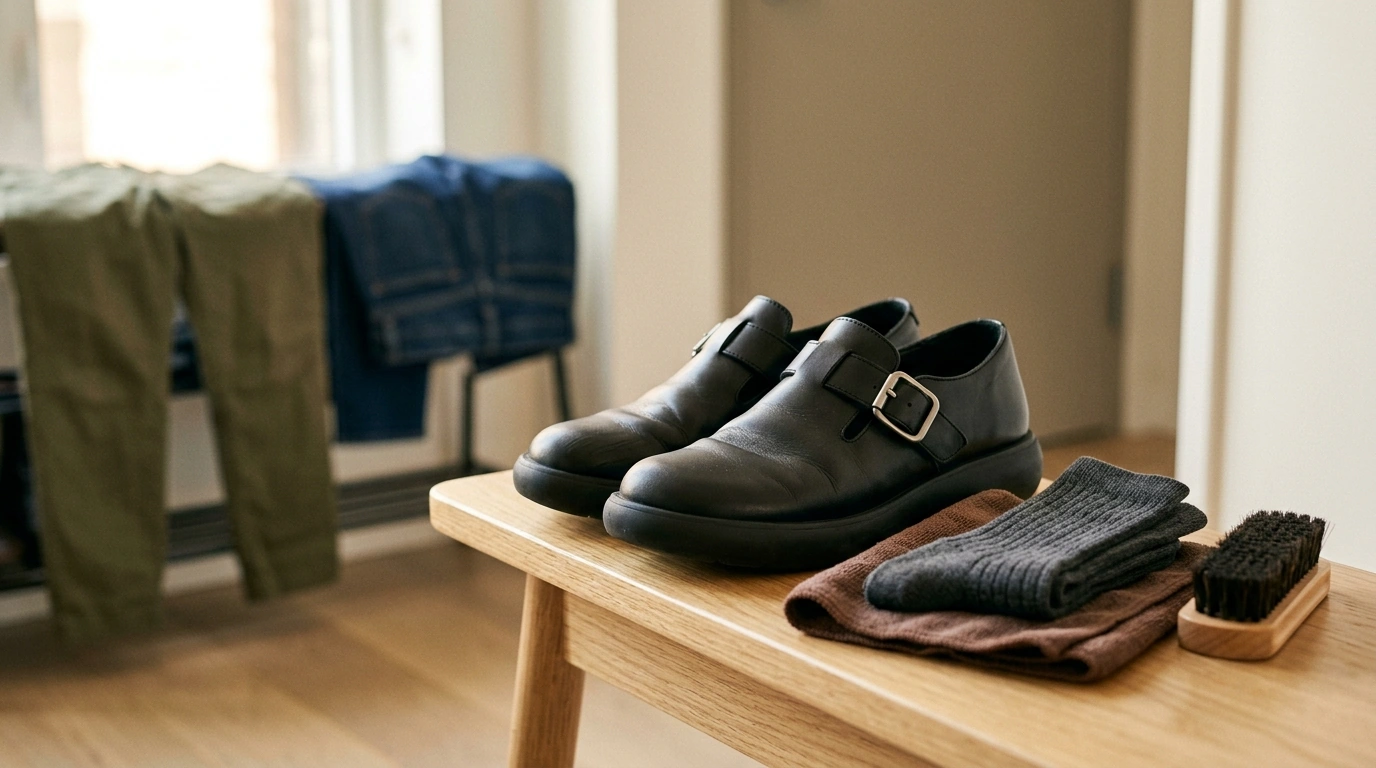
Wipe off salt and grime after wear, and let them air-dry away from direct heat if they get wet. Condition periodically to help prevent the leather from drying out and cracking.
Should sandals fit differently if worn with socks?
Yes—socks add volume, so adjustable straps are key. Make sure your heel stays stable and your toes have room, and avoid over-tightening straps that can create pressure points.









Leave a comment